

California’s AB 628: What Commercial Real Estate Brokers & Investors Need to Know
California’s new Assembly Bill 628 (AB 628) marks a significant shift in landlord-tenant law by expanding what is considered “tenantable” housing. Under the amendment to Civil Code § 1941.1, beginning January 1, 2026, rental units whose leases are new, amended, or renewed must include a working stove and refrigerator as part of habitability (i.e., these appliances are no longer optional amenities, but required elements).

"Art in the Garden" Client Appreciation Event Recap
Commercial Brokers International (CBI) held its exclusive “Art in the Garden” client appreciation event on Saturday, September 27th, in the tranquil garden courtyard of the iconic Landmark Building in Brentwood, Los Angeles. Designed as a celebration of trust, partnership, and community, the event brought together clients, colleagues, and friends to thank them for their continued support of CBI’s mission in commercial real estate.

Is It Time to Refinance Your Commercial Property Investments?
After months of speculation, the Federal Reserve’s recent interest rate cut has ignited what some are calling a mini refinancing boom in the commercial real estate world. For those with maturing loans, balloon payments, or equity-rich properties, this could be the green light you’ve been waiting for.

First Commercial Real Estate Investment Property: What to Know
Buying your first home is a milestone. Buying your first investment property? That’s a whole new game. It’s less about settling in and more about setting up — for cash flow, for long-term value, and for the inevitable curveballs that come with being both an owner and a landlord. The stakes are different. So are the decisions. If you're stepping into this world for the first time, the learning curve can feel steep — but it doesn’t have to be a freefall.

Industrial Market Looseness vs. Long-Term Demand: L.A.’s Balancing Act
Los Angeles remains one of the country’s most pivotal industrial real estate markets, anchored by its massive logistics infrastructure and proximity to major ports. Recent months have brought a sharper sense of looseness to the industrial landscape, evidenced by rising vacancies and cooling rental growth. Yet, even as short-term metrics soften, structural demand drivers persist for the long run.

A Commercial Real Estate Growth Strategy: Stage By Stage
Commercial real estate isn’t static. Whether you're a lean firm securing your second property or a mature player restructuring holdings across metro markets, growth comes with friction. And growth, mishandled, can fracture systems that once worked.

Financing Momentum: Q2 2025 Loan Origination Surge and What It Means
After a turbulent 2024, the commercial real estate sector saw a dramatic resurgence in lending activity during the second quarter of 2025, reflecting a renewed sense of confidence among lenders and investors. According to the Mortgage Bankers Association (MBA), loan originations across nearly all major property types surged, marking the strongest quarter of growth since the downturn began.

Retail Space for Lease Los Angeles: What Big Brands Want—and How to Match It
Understanding what these national brands prioritize when looking for retail spaces for lease in Los Angeles—and how you can position your local space or business accordingly—can give you a strategic edge in this competitive market. This is also essential for a tenant representation broker when helping their clients to find their perfect retail space in Los Angeles.

Fannie Mae and Freddie Mac’s Privatization: What It Means for Commercial Real Estate
The prospect of privatizing—and potentially merging—Fannie Mae and Freddie Mac has rapidly moved to the forefront of U.S. housing policy debates. As the Trump administration weighs whether to proceed with individual initial public offerings (IPOs) or the bold step of a combined “MAGA” listing, the commercial real estate (CRE) sector faces both significant uncertainty and opportunity.

A Guide to Commercial Real Estate Financing in Volatile Rate Market
In recent years, volatility in interest rates has become a defining characteristic of the commercial real estate landscape. Economic uncertainty, inflationary pressures, and abrupt shifts in central bank policy have all contributed to a climate where traditional financing approaches are continuously tested. For those advising commercial real estate clients, offering clear, proactive guidance to navigate this challenge is more essential than ever.

How to Use Census and Cell Phone Data For Commercial Real Estate Investment
The days of relying solely on gut instinct or outdated demographic reports to make real estate decisions are long gone. Today’s top commercial real estate investors and brokers are turning to a powerful blend of data sources—particularly U.S. Census data and real-time cell phone mobility data—to uncover high-potential markets and properties. These tools are giving investors an edge in an increasingly competitive landscape.

Common Concessions in Southern California Industrial Real Estate
In the Southern California industrial real estate market, you know that concessions can make or break a deal in a competitive submarket like Vernon, one of LA’s most vital industrial hubs. Whether that be negotiating a lease on a newly constructed Class A logistics center or a more utilitarian Class C warehouse, concessions play a strategic role in closing transactions.

Cap Rates vs. ROI: Which Metric Should You Trust for Your Investments?
In commercial real estate, the debate between relying on cap rates or return on investment (ROI) has never been more relevant, especially as the single-tenant net lease (STNL) sector enters a period of stabilization after years of volatility. Understanding the differences between these metrics—and how current market trends influence their interpretation—can help investors make more informed decisions.

7 Reasons Why You Should Hire a Tenant Representation Broker
Discover 7 key reasons to hire a tenant representation broker for your commercial lease. Save time, negotiate better terms, and secure the best space at no cost to you. Expert guidance for tenants only.

How to Stay Sharp as a CRE Pro in Shifting Markets
Commercial real estate has always been cyclical, but never quite like this. Hybrid work has upended office demand. Inflation and higher interest rates have forced tighter underwriting. Meanwhile, tenants are demanding smarter buildings, clearer value, and flexible terms. In this landscape, the professionals who thrive aren’t the ones clinging to past tactics.

10 Habits That Make You Look Unprofessional (And How to Fix Them)
In a world where your first impression can open doors—or quietly close them—professionalism matters. It’s not just about dressing the part or having the right resume. Often, it’s the small, seemingly harmless habits that can undermine your credibility at work or in business.

How to Analyze Risk Before Purchasing A Commercial Property
Learn how to analyze risk before purchasing a commercial property using proven strategies to protect your real estate investments.
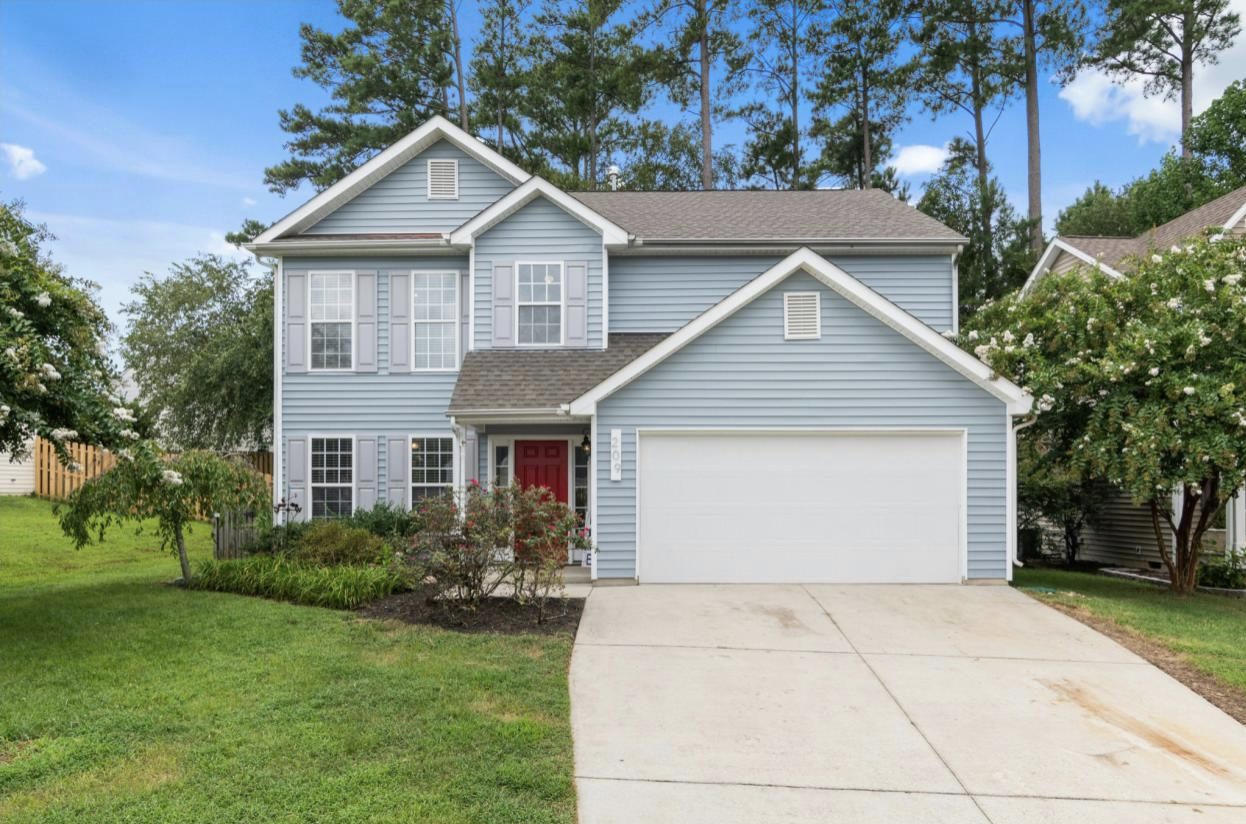
ROI-Focused Makeovers: High-Impact Upgrades for Investment Properties
When it comes to real estate investments, appearances aren’t just superficial—they directly affect your return on investment. Making the right upgrades to your property doesn’t just increase visual appeal; it also attracts better tenants, justifies higher rents, and can even reduce operating costs over time.

Financial Freedom with a Small Rental Portfolio: Yes, It’s Possible
Achieving financial freedom through real estate is often portrayed as the domain of those with sprawling portfolios filled with dozens or even hundreds of properties. But in reality, you don’t need to go big to win big.

Half Way Through 2025, Where is the Multifamily Market Going Now?
Despite economic headwinds and evolving government policies, multifamily real estate continues to demonstrate resilience and long-term appeal in 2025 for many markets. Investors across the country remain bullish on the sector, pointing to stable cap rates, solid rent growth, and a pullback in new supply as key drivers of market confidence.